Agra Taj Mahal Sunrise Private Tour – Book Now , Have you ever imagined watching the world’s most beautiful monument emerge from darkness, its white marble facade transforming from deep blue to soft pink to brilliant white as the sun rises? The Taj Mahal at sunrise isn’t just a sight—it’s an experience that touches your soul and creates memories lasting a lifetime. The Agra Taj Mahal Sunrise Private Tour offers you this extraordinary opportunity with the luxury of personalized service, expert guidance, and the flexibility to experience this UNESCO World Heritage Site at its most magical moment.
Why Sunrise is the Best Time to Visit the Taj Mahal
Agra Taj Mahal Sunrise Private Tour – Book Now , Ask any seasoned traveler or photography enthusiast when to visit the Taj Mahal, and the answer is almost unanimous: sunrise. But why? What makes those early morning hours so special compared to midday or sunset visits? The reasons go far beyond just pretty lighting—they encompass comfort, crowds, photography, and the overall quality of your experience.
The Taj Mahal receives between 12,000 to 50,000 visitors daily depending on season, with peak crowds arriving between 9 AM and 4 PM. By visiting at sunrise (gates open at 6 AM), you experience the monument in relative tranquility, often with just a few hundred early risers. This transforms your visit from a crowded tourist obligation into an intimate encounter with one of humanity’s greatest architectural achievements.
The Magic of First Light at the Taj
Fewer Crowds, More Intimacy
Picture this: you’re standing at the entrance gate as the first rays of sunlight touch the Taj Mahal’s dome. Around you are perhaps 50-100 other visitors rather than thousands. You can hear birds singing, the gentle sound of fountains, and your own footsteps echoing through the gardens. You can approach the monument without jostling for position, take photographs without strangers in every frame, and simply stand in awe without feeling rushed.
This peaceful atmosphere allows genuine emotional connection with the Taj Mahal’s story—the monument of love that Emperor Shah Jahan built for his beloved wife Mumtaz Mahal. In the quiet morning hours, it’s easier to contemplate the devotion, artistry, and historical significance rather than merely checking off a bucket list item.
Perfect Photography Conditions
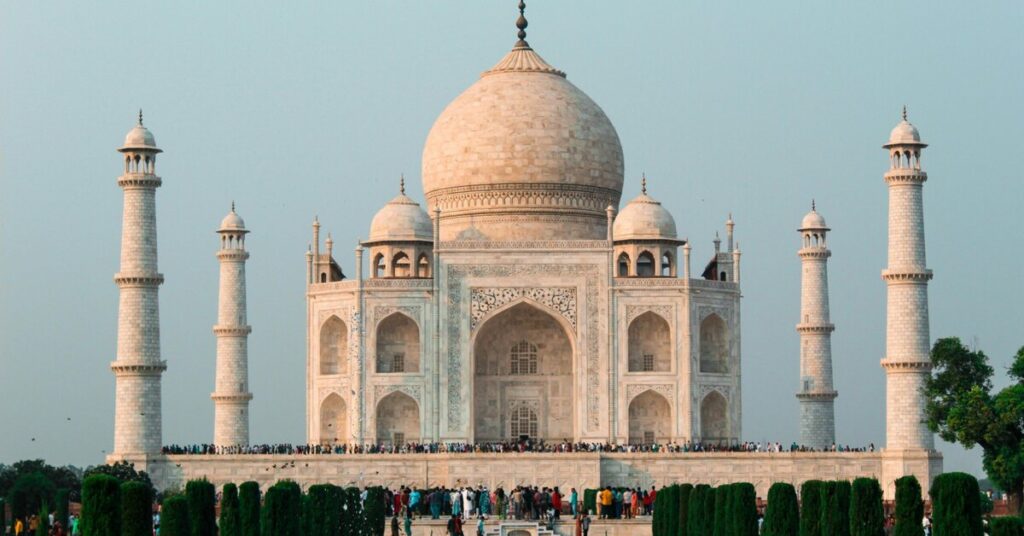
Photographers worldwide consider sunrise at the Taj Mahal among the finest shooting opportunities on Earth. The soft, directional light of early morning illuminates the white marble perfectly, creating gentle shadows that reveal architectural details invisible in harsh midday sun. The marble itself seems to glow with an inner light, changing color dramatically as dawn progresses—appearing blue-grey in pre-dawn darkness, then soft pink as the sun rises, finally brilliant white as morning fully arrives.
The famous reflecting pool creates mirror-perfect reflections during calm morning hours before winds disturb the water’s surface. The golden light bathes the gardens in warm hues that complement rather than compete with the monument’s white marble. For both professional photographers and enthusiastic amateurs, these conditions are simply unbeatable.
Comfortable Weather
Agra’s climate can be challenging—scorching summers often exceed 45°C (113°F), and even winter afternoons grow warm. Early morning offers the day’s coolest, most comfortable temperatures regardless of season. You’ll explore the extensive gardens and monument without battling heat exhaustion, dehydration, or the intense sun that makes midday visits physically draining.
The cooler temperatures also mean fresher air and often clearer visibility—important for appreciating the Taj’s intricate details and enjoying long-distance views across the Yamuna River.
Complete Sunrise Tour Itinerary
Early Morning Pickup
Your private sunrise tour typically begins with hotel pickup around 5:00-5:30 AM, depending on your location and current sunrise time (which varies by season). Yes, it’s early—but you’ll immediately appreciate the empty roads and the magical pre-dawn atmosphere as your comfortable, air-conditioned vehicle glides through quiet Agra streets.
Your driver navigates directly to the East Gate of the Taj Mahal, considered the best entrance for sunrise viewing and typically less crowded than the main West Gate. The short journey includes a briefing from your guide about what to expect and the day’s schedule.
Arriving at the Taj Mahal Gates
You’ll arrive at the gates around 5:45 AM, just before the 6:00 AM opening. Your guide handles all ticket arrangements (often pre-purchased to save time), and you’re among the first visitors admitted once gates open. This timing is crucial—even a 15-minute delay means significantly more crowds and less optimal lighting.
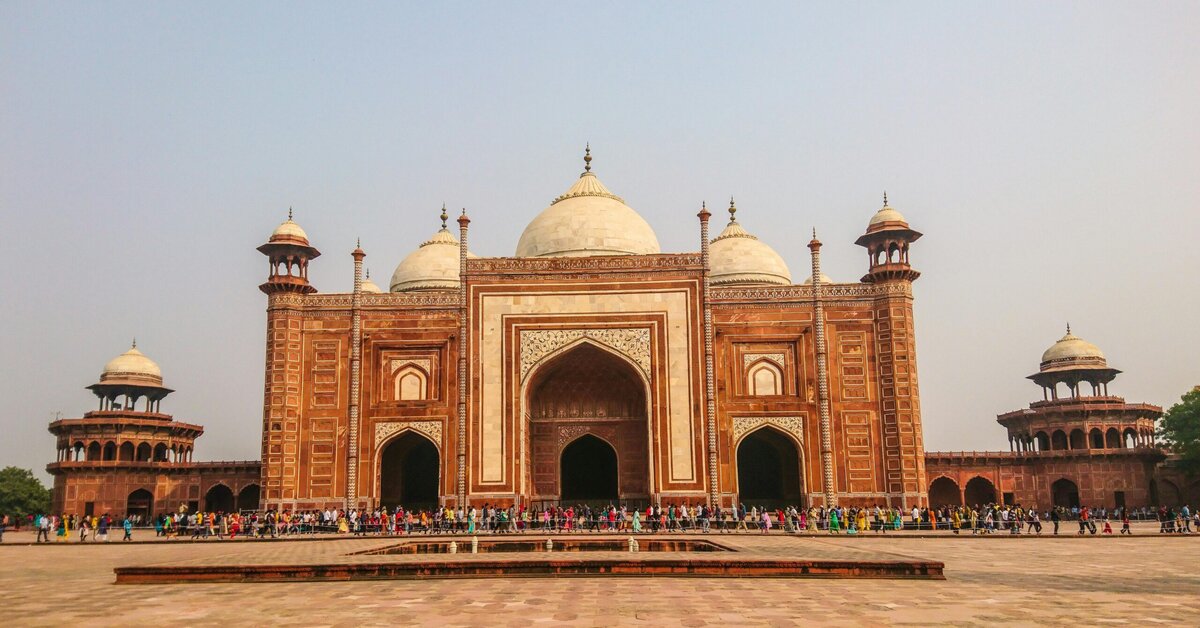
As you pass through the magnificent red sandstone gateway, your first glimpse of the Taj Mahal framed in the archway creates a moment you’ll never forget. This famous “first view” photograph is one of the world’s most iconic images, and experiencing it in person as dawn breaks is genuinely breathtaking.
Witnessing the Sunrise Spectacle
Your guide positions you optimally to watch the sunrise transformation. As the sky lightens, the Taj gradually reveals itself—first as a silhouette, then with increasing detail as ambient light grows. The moment the sun crests the horizon and its first rays strike the dome creates a spectacular effect that cameras struggle to capture but eyes never forget.
Many visitors describe this moment as almost spiritual—the beauty, the silence, the perfect proportions, and the knowledge of the love story behind the monument combine to create profound emotional impact. Your guide respectfully allows quiet time for you to simply experience this moment without unnecessary commentary.
Exploring the Monument in Detail
After witnessing the sunrise, you’ll spend 2-3 hours thoroughly exploring the Taj Mahal complex. Your expert guide shares the monument’s fascinating history, architectural features, and lesser-known details that independent visitors often miss. You’ll learn about the 22 years of construction, the 20,000 artisans involved, the precious stones inlaid in intricate floral patterns, and the perfect symmetry that makes the Taj Mahal an architectural marvel.
You’ll visit the main mausoleum (removing shoes as required), where Shah Jahan and Mumtaz Mahal rest in the cool, marble-clad interior chamber. The guide explains the significance of various architectural elements, the symbolism in decorative patterns, and the engineering genius that has preserved this structure for nearly 400 years.
What Makes a Private Tour Superior?
Personalized Experience
Unlike group tours where you’re one of 20-30 people following a guide with a flag, a private tour means the guide works exclusively for you. Want to spend extra time photographing from a particular angle? No problem. Fascinated by the inlay work and need detailed explanations? Your guide has all the time you need. Prefer to sit quietly and simply absorb the atmosphere? That’s perfectly fine too.
This personalization extends to every aspect—your guide adapts explanations to your interests, answers your specific questions thoroughly, and adjusts the pace to your preferences.
Flexible Timing and Pace
While you want to arrive for sunrise, the rest of your day can be completely flexible. If you’re entranced by the Taj and want to stay longer, there’s no group schedule forcing you to leave. If you’d like to add additional Agra sites to your itinerary, your private tour easily accommodates changes. Need a breakfast break? Your guide knows excellent local restaurants catering to international tastes.
Expert Guide Exclusively for You
Government-approved Taj Mahal guides undergo extensive training and certification. Your private guide brings deep knowledge of Mughal history, architectural details, and local culture. More importantly, they’re genuinely passionate about sharing the Taj Mahal’s story and ensuring your experience exceeds expectations. Their exclusive attention means you can ask unlimited questions, request specific information, and benefit from their expertise fully.
Beyond the Taj: Additional Agra Highlights
Agra Fort
Most sunrise tours include a visit to Agra Fort after the Taj Mahal. This massive red sandstone fortress served as the main residence of Mughal emperors for generations. The fort offers stunning views of the Taj Mahal from across the Yamuna River—the very view Shah Jahan had during his final years when imprisoned by his son. The fort’s palaces, mosques, and audience halls provide fascinating contrast to the Taj’s pure romanticism.
Mehtab Bagh (Moonlight Garden)
Located directly across the Yamuna River from the Taj Mahal, Mehtab Bagh offers a different perspective of the monument. This restored Mughal garden was originally designed as a moonlight viewing garden for the Taj. While beautiful at sunrise, it’s particularly spectacular at sunset when the fading light creates different colors and moods. Your private tour can include this location based on your interests.
Local Artisan Workshops
Agra is renowned for marble inlay work—the same craft used to decorate the Taj Mahal. Many private tours include visits to workshops where you can watch artisans create intricate designs using semi-precious stones. These aren’t pushy sales stops but rather fascinating glimpses into centuries-old craft traditions. You’ll gain deeper appreciation for the Taj’s decorative work after seeing the skill and patience required.
Photography Tips for Taj Mahal Sunrise
Bring a wide-angle lens to capture the monument’s full grandeur and a telephoto for architectural details. Arrive with fully charged batteries—cold morning air drains them quickly. The classic reflection shot from the front garden pool requires low positioning—sit or kneel for the best angle.
For the iconic gateway-framed shot, position yourself in the garden looking back toward the entrance archway with the Taj framed within it. As the sun rises, bracket your exposures to handle the high dynamic range between bright sky and shadowed monument. A tripod helps for longer exposures in low pre-dawn light, though many photographers manage excellent handheld shots with modern camera stabilization.
Don’t spend the entire sunrise looking through your camera viewfinder—balance photography with simply experiencing the moment with your own eyes. The memories matter more than the perfect shot.
What’s Included in Your Private Tour Package
Comprehensive private tour packages typically include private air-conditioned vehicle with experienced driver, government-approved expert guide exclusively for your group, all entrance fees and taxes, bottled water and refreshments, and flexible itinerary customized to your interests. Premium packages might include breakfast at a quality hotel or restaurant and visits to additional Agra attractions.
The tour usually lasts 6-8 hours total, though with a private arrangement, you control the exact duration. Some packages include hotel accommodation if you’re traveling from Delhi or other cities specifically for the sunrise tour.
Booking Process and Pricing
Booking is straightforward through reputable tour operators’ websites or platforms like GetYourGuide, Viator, or local Agra-based companies. Prices for private sunrise tours typically range from $50-150 USD per person depending on group size, inclusions, and vehicle quality. Solo travelers pay premium rates as costs aren’t shared, while groups of 4-6 people enjoy the best per-person value.
Book at least 2-3 days in advance during regular seasons and 1-2 weeks during peak periods (October-March) to ensure availability and preferred dates. Last-minute bookings are sometimes possible but risk disappointment.
Best Season for Taj Mahal Sunrise Tour
October through March offers ideal conditions—comfortable temperatures, clear skies, and beautiful sunrise colors. Winter months (December-January) feature stunning sunrises but can be quite cold in early morning (5-10°C), so bring warm layers. The monsoon season (July-September) brings uncertainty with potential rain and overcast skies that diminish sunrise beauty, though off-season discounts and fewer crowds offer compensation.
Summer (April-June) presents challenges with intense heat even in morning hours, though dedicated visitors can still enjoy the experience with proper hydration and sun protection.
Essential Tips for Your Visit
The Taj Mahal is closed on Fridays for prayer, so plan accordingly. Dress modestly with covered shoulders and knees out of respect. Large bags aren’t permitted inside—bring only essentials in a small bag. Tripods and additional camera equipment beyond two cameras require special permits and fees.
Bring sufficient cash for tips, souvenirs, and any additional purchases as not all vendors accept cards. Stay hydrated throughout your visit despite early hours. Most importantly, wear comfortable walking shoes—you’ll cover considerable distance across the gardens and monument complex.
Conclusion
The Agra Taj Mahal Sunrise Private Tour represents more than just efficient sightseeing—it’s an investment in experiencing one of the world’s most magnificent monuments at its absolute best. The combination of magical sunrise lighting, minimal crowds, comfortable temperatures, and personalized expert guidance creates an experience infinitely superior to rushed midday group tours.
Whether you’re a photographer seeking that perfect shot, a romantic couple wanting an intimate monument experience, or simply a traveler who appreciates seeing world treasures in optimal conditions, the sunrise private tour delivers unforgettable memories. Don’t just visit the Taj Mahal—experience it as it deserves to be experienced, in the peaceful beauty of dawn with the luxury of personalized service. Book your sunrise tour now and prepare for one of travel’s truly transcendent moments.
FAQs
1. Is waking up so early really worth it for the sunrise tour?
Absolutely, without question. The difference between experiencing the Taj Mahal at sunrise versus midday is night and day—literally and figuratively. The peaceful atmosphere, spectacular lighting, comfortable temperatures, and dramatically fewer crowds make the early wake-up a minor inconvenience compared to the extraordinary experience you’ll gain. Virtually everyone who takes a sunrise tour says it was their tour’s highlight and worth every bit of lost sleep. You’ll likely be so excited you won’t need an alarm anyway!
2. Can I book a sunrise tour if I’m staying in Delhi rather than Agra?
Yes! Many tour operators offer sunrise tours departing from Delhi, though these require extremely early departure (typically 2:30-3:00 AM) for the 3-4 hour drive to Agra. You’ll arrive just in time for sunrise, tour the Taj and possibly Agra Fort, then return to Delhi by afternoon. Alternatively, consider traveling to Agra the evening before, staying overnight, doing the sunrise tour, and returning to Delhi afterward—this allows proper rest and a less exhausting schedule.
3. What if the weather is poor on my sunrise tour date?
Overcast conditions can actually create beautifully diffused light for photography, though you’ll miss the dramatic color changes of clear-sky sunrises. Light fog creates ethereal, atmospheric conditions that some photographers actually prefer. However, heavy rain or dense fog that obscures the monument obviously diminishes the experience. Check weather forecasts beforehand, and discuss cancellation/rescheduling policies with your tour operator. Many offer flexibility to reschedule if weather is clearly unfavorable.
4. Are there any restrictions I should know about when visiting the Taj Mahal?
Food and drinks (except water) aren’t permitted inside the monument complex. Smoking is strictly prohibited throughout. Photography inside the main mausoleum chamber isn’t allowed, though exterior photography is unrestricted. Tripods, additional lenses beyond two, and video cameras require special permits and additional fees. Visitors must remove shoes before entering the main mausoleum platform (shoe covers are provided). Touching the marble surfaces is discouraged to preserve the monument.
5. How physically demanding is the sunrise tour?
The tour involves considerable walking across the extensive gardens and monument complex—easily 2-3 kilometers total. The terrain is mostly flat with some stairs to the main platform, all quite manageable for average fitness levels. Elderly visitors and those with mobility limitations should inform tour operators in advance—wheelchairs are available for rent, and guides can adjust routes to minimize walking. The cooler morning temperatures make physical activity more comfortable than midday visits. Take your time, rest when needed, and stay hydrated.